The Post Box
 General
How I Learned to Look at Stamps 19
12/10/2021 Posted By Vincent Green
As a child I would spend several weeks during the Summer holidays in Bournemouth, a large and reasonably well- heeled...
View Post
 General
Stamp Tricks and Tips: Chalk-Surfaced Papers 20
12/10/2021 Posted By Sandafayre
A few weeks ago an experienced philatelist admitted to problems he was having in identifying the chalky paper version...
View Post
 General
Why Do Stamp Collectors Like Errors? 21
12/10/2021 Posted By Sandafayre
Sometimes discovering philatelic errors is easy, particularly when examples have been identified and are accurately d...
View Post
General
Fake News and Stamp Design Sexism 22
12/10/2021 Posted By Sandafayre
Behind my desk, wedged between our specialized reference collection of Bermuda large key plate stamps and an unsteady...
View Post
 General
Rare and Unique Errors - Should You Feel Lucky? 23
12/10/2021 Posted By Sandafayre
We are proudly displaying, on the front cover of our latest Sandafayre catalogue, three rather splendid and very diff...
View Post
General
Philately on my Honeymoon! 24
12/10/2021 Posted By Vincent Green
I got married three weeks ago! Just one of several unusual experiences from a recent trip to America – and no, Elvis ...
View Post
 General
Felix Vaitkus and the Lituanica II Flight 25
12/10/2021 Posted By Sandafayre
The 1920s and early 1930s saw the expansion of Pioneering Flights extend to non stop distance records and internation...
View Post
 General
Posta Europea 26
12/10/2021 Posted By Sandafayre
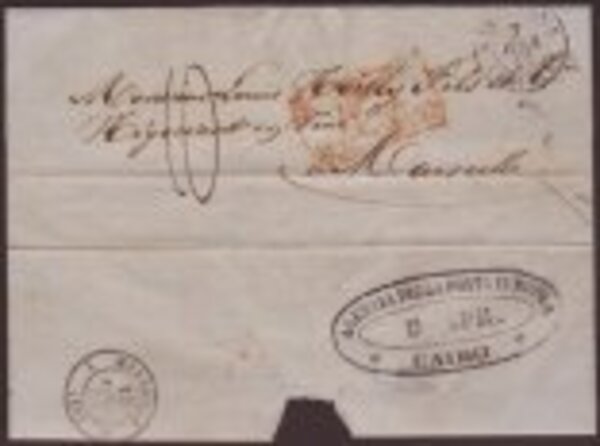
The Posta Europea, a privately owned postal service in Lower Egypt, was founded by an Italian printer called Carlo Me...
View Post
 General
UPU 'Specimen' Stamps - A Fascinating Addition to Your Collection 27
12/10/2021 Posted By Sandafayre
Prior to the 1874 Berne Universal Postal Union Congress most stamp issuing authorities only sent out information rega...
View Post
 General, Airmail Stamps, France, Colonies & Dependencies, Senegal
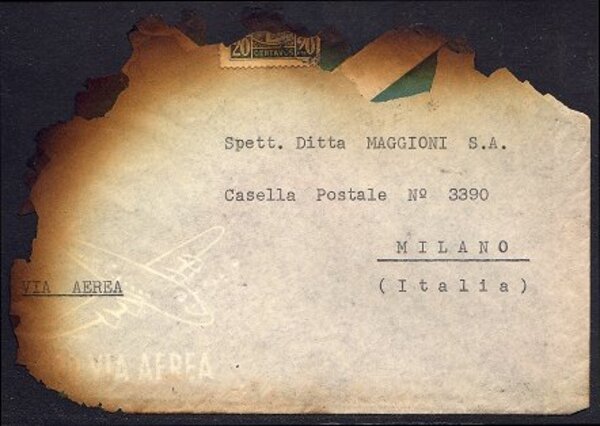
1949 Dakar Air Crash Cover 28
12/10/2021 Posted By Sandafayre
The Alitalia AVRO 691 Lancaster 3 plane (registration I-AHBX) was on route from Buenos Aires to Rome when it was forc...
View Post
General
Just Another Day (and late night?) in the Stamp Room 29
12/10/2021 Posted By Vincent Green
It’s freezing, the office is often open by 7.30 and nicely warm when most of us arrive but not today so everything ha...
View Post
 General
Let's Discuss Stamp Hinges 30
12/10/2021 Posted By Vincent Green
As a teenager in the early 1980s I worked in a stamp shop. One fateful day a gentleman arrived with a collection of G...
View Post
General
Take Advantage of Christmas and Get Those Kids Collecting Stamps! 31
12/10/2021 Posted By Vincent Green
My fellow philatelists, I have a story to tell about how I single- handedly got a bunch of young people to play aroun...
View Post
 General
Remember Ye Olde Post Roads! 32
12/10/2021 Posted By Vincent Green
Here in the UK the state of our road network has probably overtaken the weather as our favoured gripe. It’s certainly...
View Post
 General
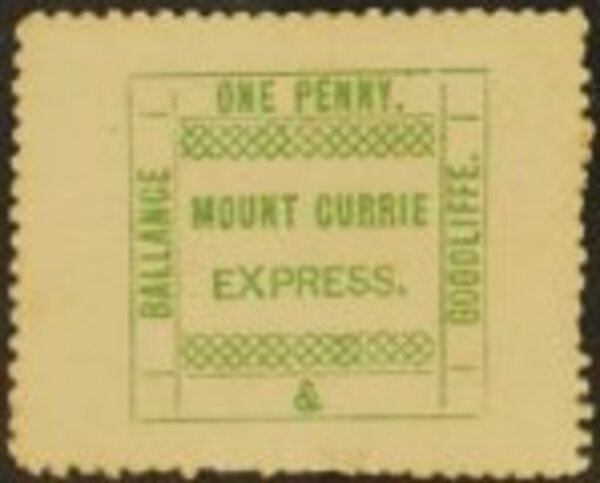
The Mount Currie Express Stamps 33
12/10/2021 Posted By Sandafayre
The Mount Currie Express One Penny stamp, issued in 1874 by the Ballance and Goodliffe store is one of South Africa's...
View Post
 General
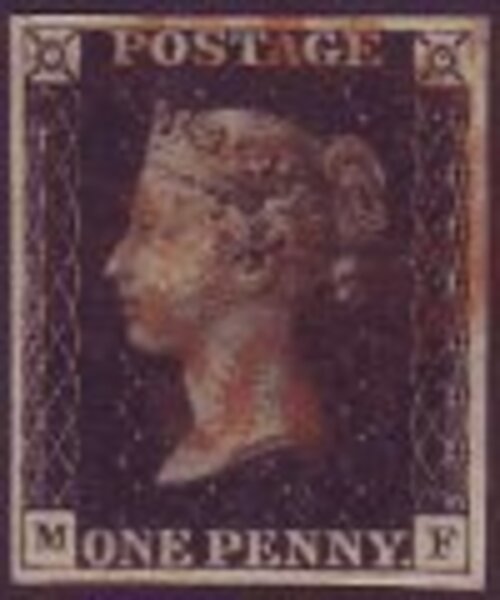
Penny Black Quiz 34
12/10/2021 Posted By Sandafayre
These questions were part of a quiz we ran in 2017 but we've left them on our site as you might enjoy answering or re...
View Post
 General, India, First Issues & Classics
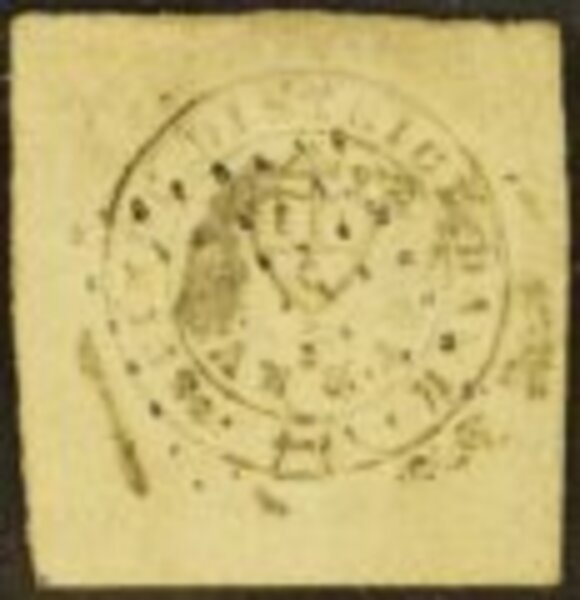
The Scinde Dawk 35
12/10/2021 Posted By Vincent Green
The Mysterious Indian Classic!I am getting old enough, and I’ve spent long enough in philately, to find myself remini...
View Post
 General
A 'Stampy' Staff Meeting 36
12/10/2021 Posted By Vincent Green
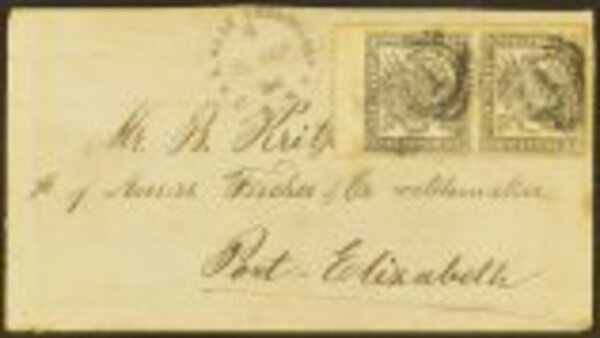
This morning we held a staff meeting, part of which involved the reviewing of our website homepage and, stamp guys be...
View Post
General
A Tough Audience 37
12/10/2021 Posted By Vincent Green
Occasionally I talk to groups of non- collectors about our hobby and my business. It does pay to keep the audience in...
View Post
 General, Turkey, British Levant
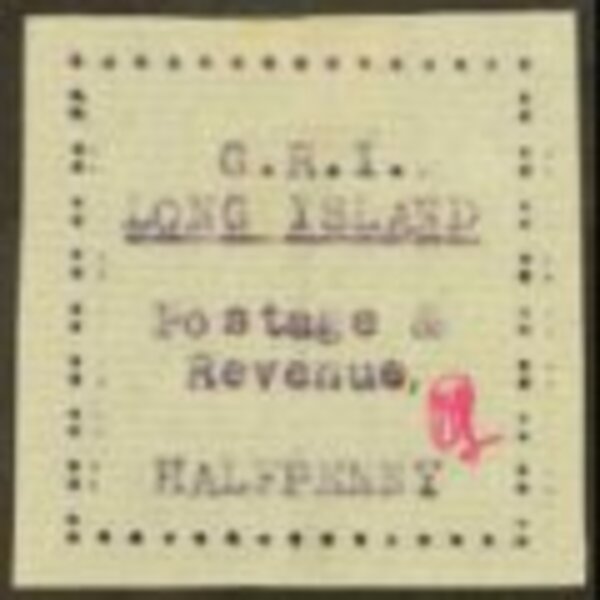
The British Empire's Most Unusual Stamps? 38
12/10/2021 Posted By Vincent Green
We are currently offering an example of one of the British Empire's strangest stamps, a typewritten Long Island 1916 ...
View Post
